Cross-disciplinary Research Network on Artificial Intelligence in Hydrology and Climate Resilience
AI-HYDRO FUTURES is an international research network advancing the application of artificial intelligence in hydrology, water systems, flood risk reduction, and climate resilience. The initiative connects researchers, professors, graduate students, and partner institutions to promote innovation, collaboration, and practical solutions for emerging hydro-climatic challenges.
About AI-HYDRO FUTURES
AI-HYDRO FUTURES was initiated by Dr. Mohamed Saber, Associate Professor (Specific Program), in collaboration with an international team of professors, researchers, and graduate students from Kyoto University and partner institutions worldwide. The initiative is supported by the FY2025 Cross-sectoral Research Platform Development Program, Kyoto University, Japan.
The network promotes cross-disciplinary research at the intersection of artificial intelligence, hydrology, water resources, flood and drought risk management, and climate resilience. By combining scientific innovation with real-world application, AI-HYDRO FUTURES supports the development of future-ready, intelligent, and resilient water solutions.


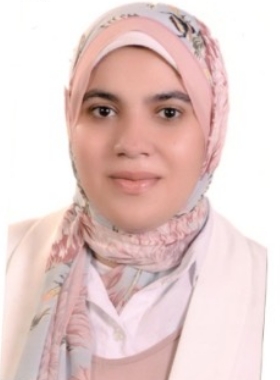

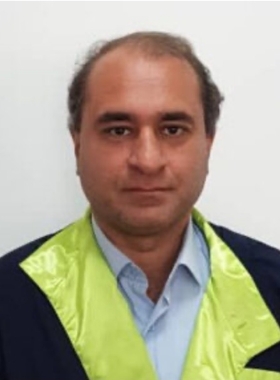
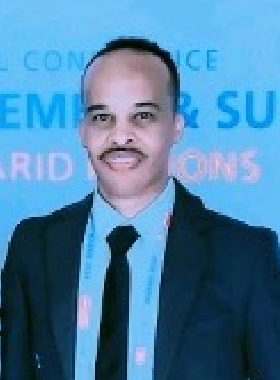

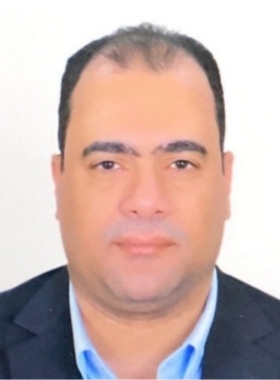
Project PI

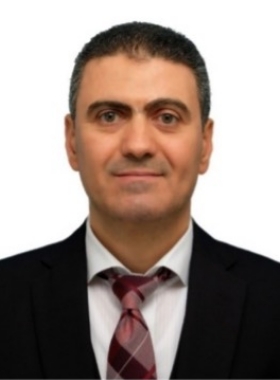
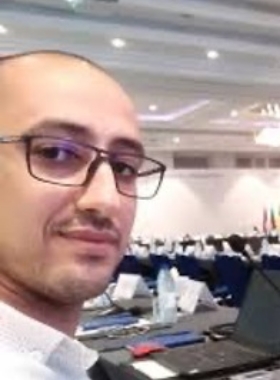
Mohamed Saber
Associate Professor (Specific Program)
Disaster Prevention Research Institute (DPRI), Kyoto University, Japan
Mohamed Saber, Ph.D., is an Associate Professor (Specific Program) at the Water Resources Research Center, Disaster Prevention Research Institute (DPRI), Kyoto University, Japan. His expertise lies in hydrological research and disaster risk management, with a strong focus on integrating artificial intelligence, including machine learning and deep learning, into hydrological applications to improve forecasting accuracy for floods, suspended sediment concentration, and rainfall.
His work includes the development of advanced hydrological models for wadi flash flood prediction and management, analysis of extreme climate variability and its implications for water resources, floods, and droughts, and the application of remote sensing technologies for hydrological monitoring. His research also extends to flood risk assessment, mitigation planning for vulnerable regions, and sustainable water resources management under climate change. Through his academic leadership and interdisciplinary collaborations, he contributes to strengthening hydrological resilience, disaster preparedness, and global water sustainability.
Objectives
AI-HYDRO FUTURES advances the integration of Artificial Intelligence and Digital Twin technologies in hydrology and water systems to improve real-time prediction, risk assessment, and adaptive decision-making. It promotes intelligent and resilient approaches for addressing hydro-climatic extremes and evolving water challenges.
Key Objectives
- Advance the integration of Artificial Intelligence and Digital Twin technologies in hydrology and water systems.
- Enhance real-time prediction, risk assessment, and decision-making for floods, water resources, and climate extremes.
- Bridge the gap between research innovation and operational implementation.
- Promote climate resilience, adaptive water governance, and smart infrastructure management.
- Foster global collaboration, knowledge exchange, and capacity building across disciplines and regions.
Scope
AI-HYDRO FUTURES operates at the intersection of AI, hydrological science, and climate resilience. It covers data-driven modeling, flood risk management, infrastructure optimization, smart monitoring systems, and decision-support tools. The initiative embraces hybrid AI-physical approaches, Digital Twins, and multi-source data integration to support practical and scalable solutions for global water resilience.
Areas of Focus
- AI-driven and hybrid hydrological modeling
- Flood risk mapping and early warning systems
- Digital Twins for river basins and infrastructure
- Climate impact assessment and hydro-climatic analysis
- Remote sensing, big data, and real-time monitoring
- Decision-support systems and policy integration